A Journey from Undiagnosed Student to Empowered Advocate
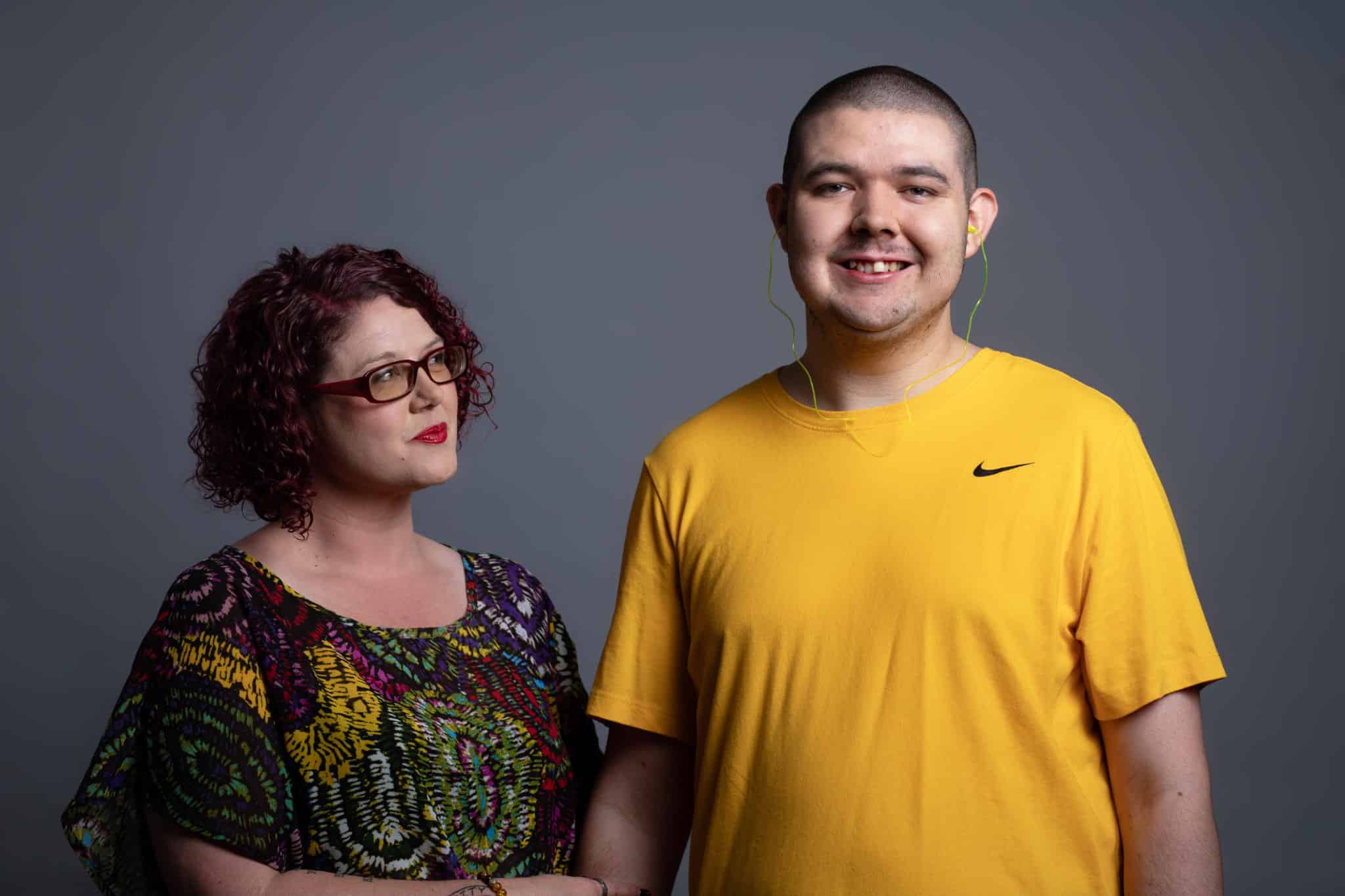
Today, I understand who I am, but this hasn’t always been the case. I’m a mom, a speech-language pathologist assistant, a non-profit leader, and a school board member. But it wasn’t until I was formally diagnosed with autism and attention deficit hyperactivity disorder (ADHD) in 2021 that I began to understand myself fully.
The Weight of an
Unseen Struggle
As a child, I exhibited clear signs of neurodivergence—sensory overload, social difficulty, and academic inconsistency. I struggled year after year, but no one asked why. My family and the school system could not recognize autism in girls, and I didn’t know how to recognize it either.
Consequently, I was pushed along through school and eventually placed in remedial classes in high school. By the first quarter of my sophomore year, truancy officers were visiting my house. I had three study halls and was failing every class when Tempe High told me I couldn’t return. No one asked why I was failing; they just knew I couldn’t do it there.
I enrolled at Arizona Career Academy, but by my junior year, I was placed on no-credit status within the first two weeks. I had just nine high school credits and was expecting a baby. At 16, I dropped out of the very district I now serve and earned my GED. At 18, I sought a diagnosis, but the psychiatrist reported I was bipolar and had social anxiety; they never discussed autism and ADHD. I still didn’t understand myself.
Jordan’s Journey: The Reality
of Advocacy
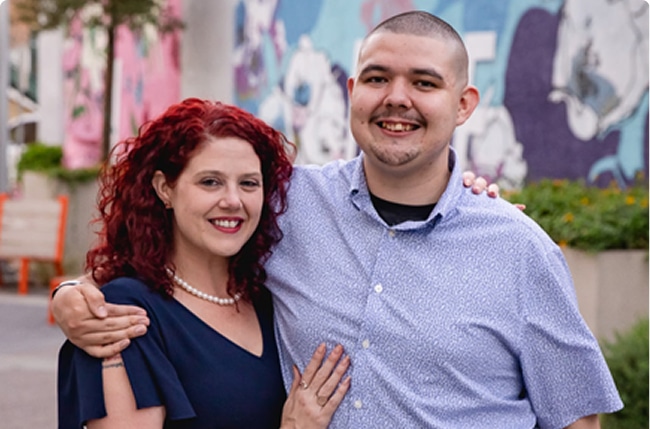
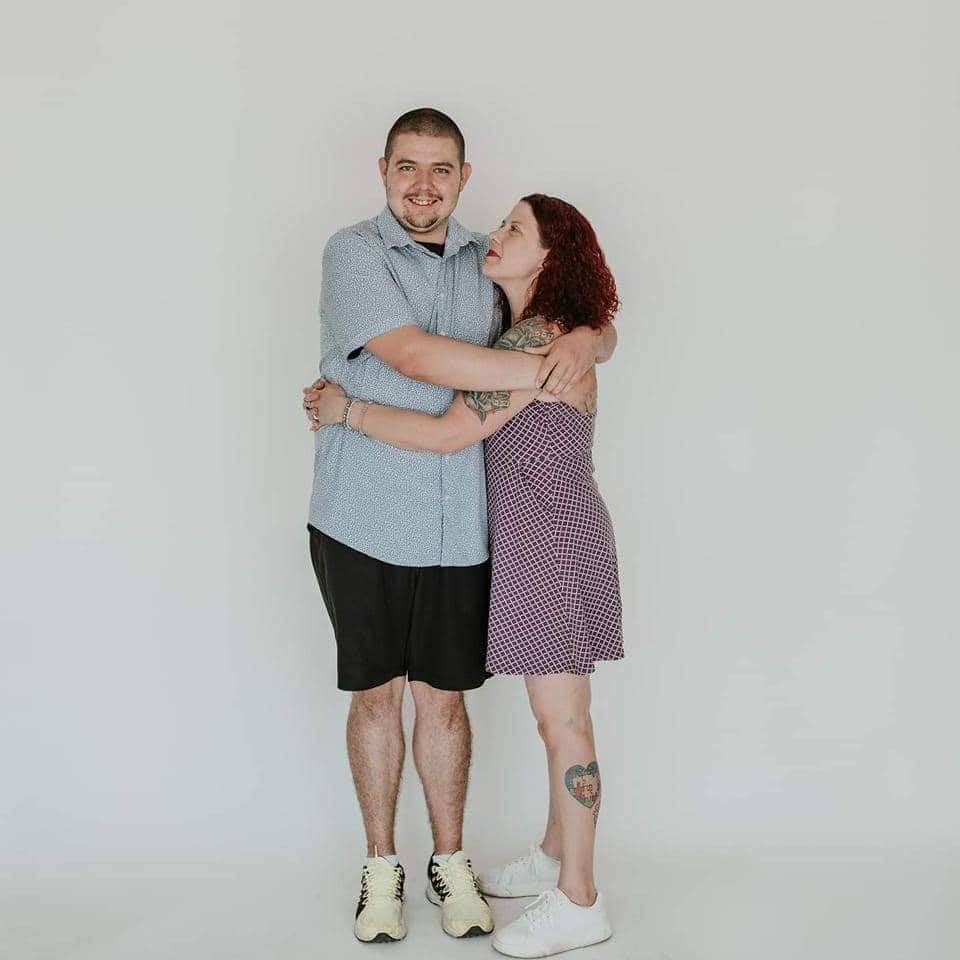
My son Jordan was diagnosed with autism and an intellectual disability at age three. While many find that diagnosis devastating, I saw it as an opportunity to learn more and gain a framework to understand his strengths and needs. Rather than medicating Jordan, we focused on supporting him through services, structure, and advocacy.
Jordan thrived outside school, but it was a different story in school. By middle school, it was clear the system was not meeting his needs. I assumed his teachers had the resources needed to help him and knew how to fight for his best interest, but they didn’t; it was up to me to advocate for his learning and growth. At the end of his freshman year, I joined the Mountain Pointe Special Education Parent Council and finally found my voice. I began to see that Jordan’s experience wasn’t isolated and Arizona's students deserve better.
A Turning Point
for Accountability
Something happened that changed everything. Jordan was attending Mountain Pointe High School when he became the victim of a serious privacy violation; a student surreptitiously videotaped him in a school bathroom, and others distributed the video on social media.
Instead of taking legal action, I made a public call for accountability and action. I wanted change for my son and for all students. I joined committees, received leadership training, and co-founded the non-profit EPIC Disability Advocacy. Today, I serve as Vice President of the Tempe Union High School District Governing Board because I believe real change must come from within. When my son chose to remain in his school, I fought to ensure he received the support he was legally obligated to.
Why We Need to Tell Our Stories
For years, I focused on Jordan’s experience, but now I realize my story matters just as much. I was an undiagnosed neurodivergent student who fell through the cracks and self-medicated as a teenager to cope. Only in adulthood did I find the information I needed to thrive. My diagnoses brought liberation, permitting me to stop masking and respect my sensory needs.
Our stories drive me to fight for a better system that:
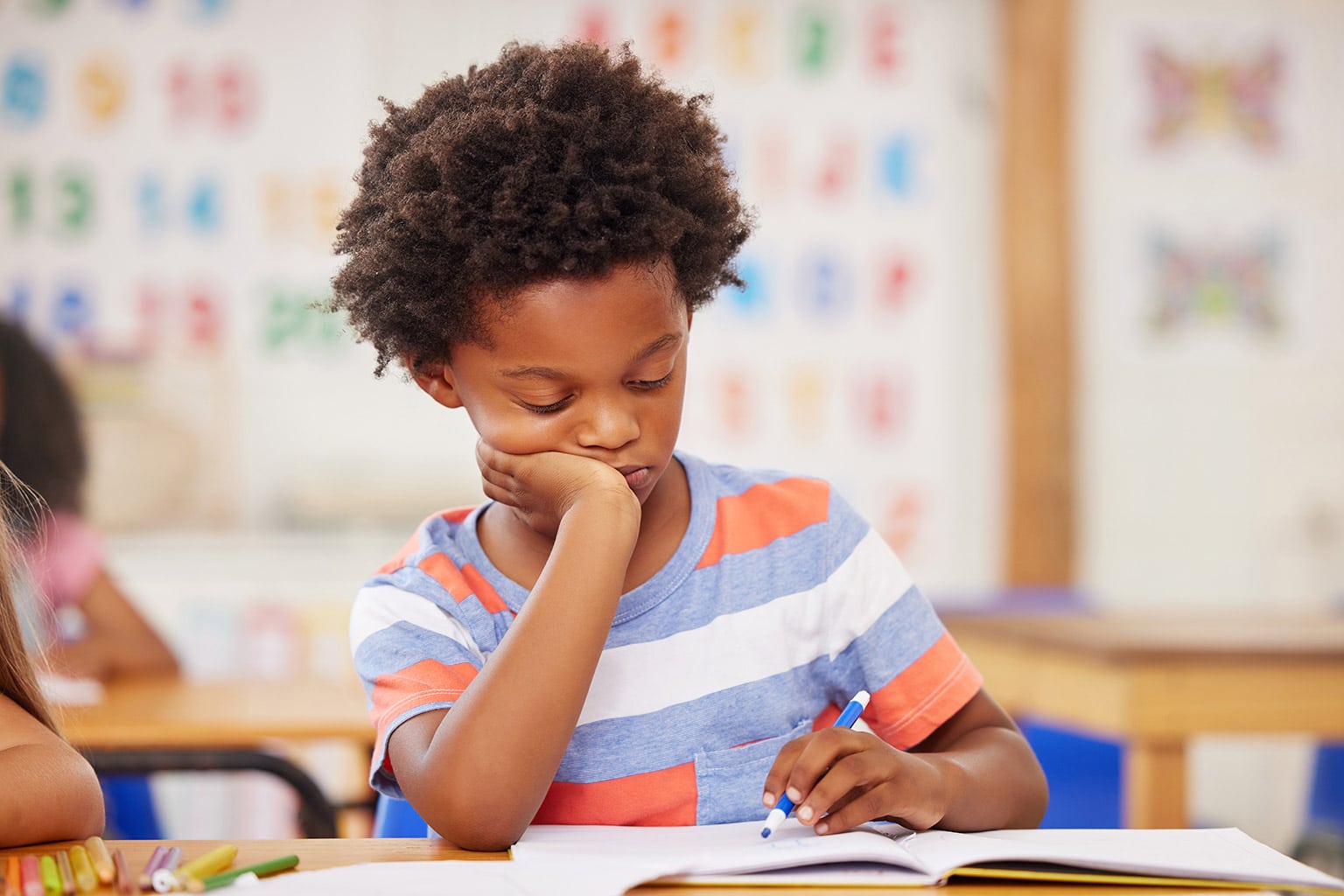
Sees Kids as Capable
Respecting their potential rather than just their labels.
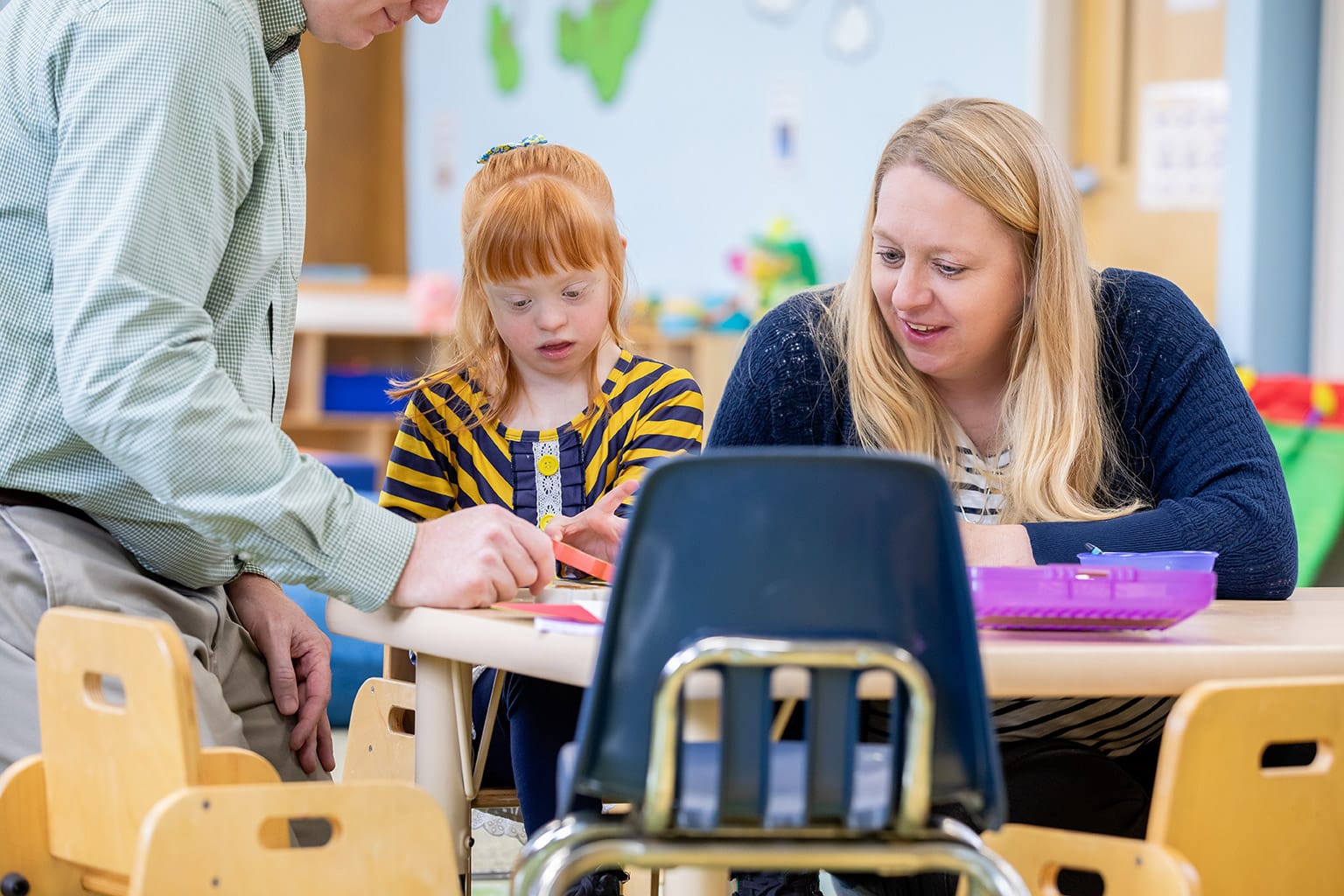
Prepares Teachers
Ensuring educators understand neurodiversity.

Prioritizes Thriving
Asking "How can this child thrive?" rather than "What is wrong?"
Students like Jordan—and the student I once was—deserve champions to navigate this complex landscape.
Take Action With
Champions for Kids
Become part of a statewide coalition committed to transforming Arizona’s education landscape for students with disabilities. Your involvement ensures that we are telling the stories of ALL Arizona’s students with disabilities.