A Mother’s Path to
Professional Advocacy
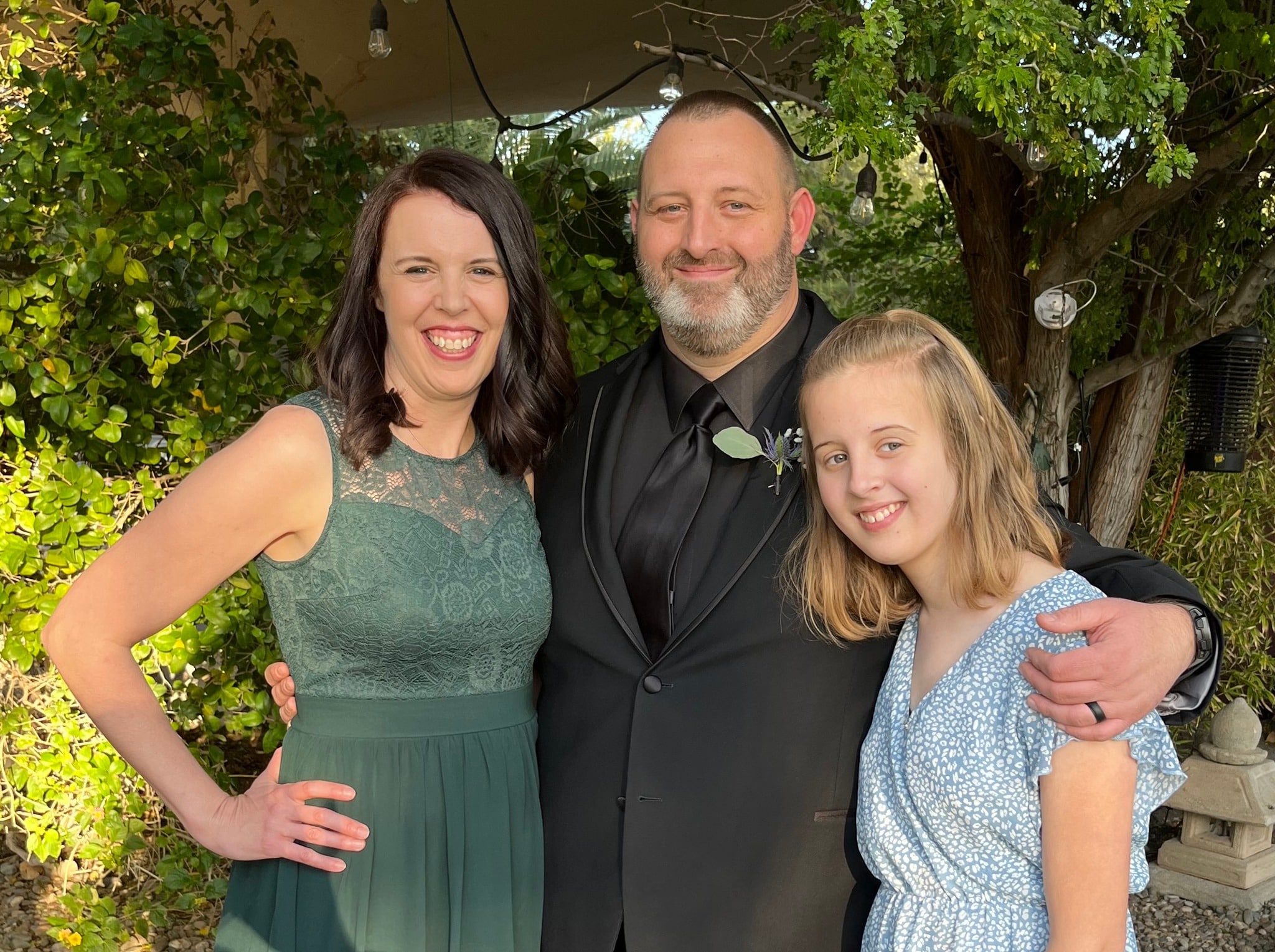
People often ask why I dedicated my life to special education advocacy and supporting students with disabilities. The answer is deeply personal: It began with my daughter.
When she was diagnosed with autism over 13 years ago, I didn't realize how hard I would have to fight for the education she deserved. Even as a seasoned educator, I found myself overwhelmed. Navigating the special education system as a parent is a completely different experience than seeing it from the classroom. Simply knowing the laws doesn’t prepare you for the emotional toll of justifying your child’s needs and fighting for her fundamental right to learn.

From a Plan on Paper to Impact in the Classroom
In those early years, every meeting felt like a battleground. I quickly learned that the heart of this struggle was the IEP—the Individualized Education Program.
While it sounds like just another piece of paperwork, an IEP is actually a legally binding document designed to ensure that a child with a disability receives specialized instruction and related services tailored to their unique needs.
For my daughter, the IEP was meant to be her roadmap, detailing exactly how the school would adapt to her neurodivergent learning style. However, I realized that the system wasn't always built to follow that map. It wasn't enough to simply have the document; I had to become relentless. It is this gap between a "plan on paper" and "impact in the classroom" that makes professional advocacy so vital for families.
Through this journey, I realized that if a professional educator like myself was struggling to navigate these hurdles, other families were likely drowning. This realization turned my personal mission into a professional calling for systemic change. Today, our work focuses on:
- Demystifying the Process: Breaking down the complex language of the IEP so parents feel empowered.
- Building Safe Spaces: Ensuring schools see the student behind the paperwork
- Demanding Accountability: Holding systems to a higher standard of inclusion.
Standing for the Unseen:
Advocacy and Foster Care
Over the years, my work has expanded to support some of our most vulnerable students, particularly those in the foster care system. These children often carry "invisible backpacks" filled with trauma, loss, and instability.
For a student whose education has been disrupted by multiple moves, a standard, cookie-cutter IEP isn't enough. They need a Champion who will stand beside them to ensure their rights aren't lost in the shuffle of the system. From these students, I’ve learned that true advocacy is about more than just services—it’s about dignity, trust, and belonging.