Standing Firm Against
Systemic Timelines
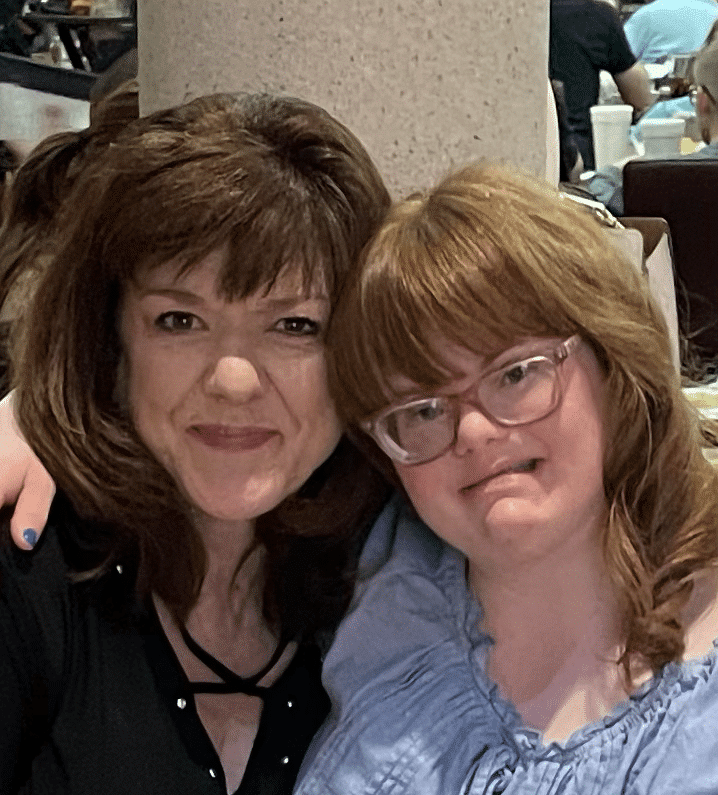
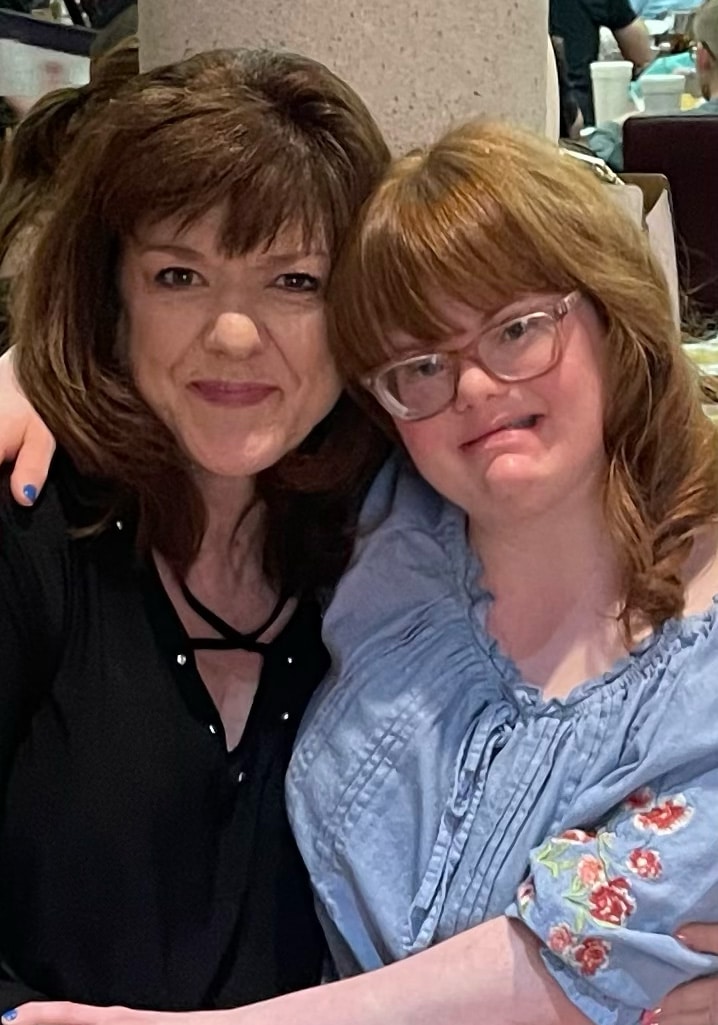
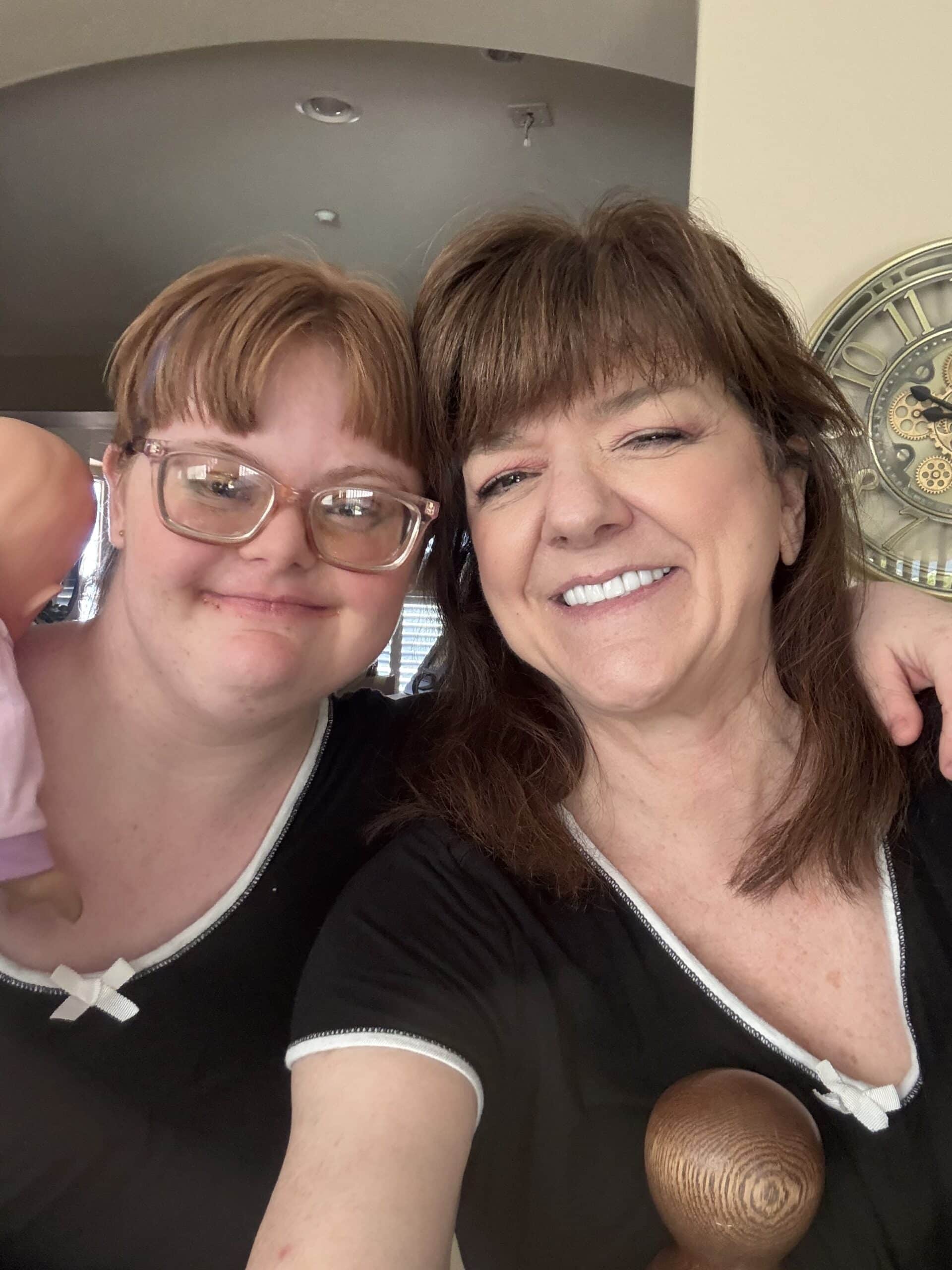
I wasn’t naive. When my daughter, Lindsay, entered the district’s developmental preschool in 2009, I knew school would be different for her. I expected special meetings and specialized classes, but I also assumed that the school, the teachers, and I would be working toward the same goal: helping Lindsay become the best version of herself.
Unfortunately, I learned that navigating the system requires relentless advocacy in special education. My daughter is funny, smart, and a loyal friend. She also has Down syndrome, which means she is a delayed learner who requires more time to prepare for life after high school.
The Legal Right to More Time: Understanding IDEA
Lindsay is 18, the age when most students expect to graduate. However, as a delayed learner, she needs the additional high school years allowed by both the federal Individuals with Disabilities Education Act (IDEA) and state law. This law requires school districts to provide services to students with disabilities until they turn 21—22 in Arizona.
Despite this, her school has relentlessly pushed her toward early graduation and Vocational Rehabilitation. This decision is more than shortsighted. It is unjust. Parent advocacy is often the only thing that ensures a student receives the education they are entitled to.
IDEA allows for extended educational opportunities because students like Lindsay need more time to develop academically and socially. Pushing students through modified classes with inflated grades and calling it a "Free and Appropriate Public Education" (FAPE) is a disservice to the child and a failure of the system.
Why Parent Advocacy is Essential for Systemic Change
Year after year, we’ve struggled against special education courses aimed at the lowest common denominator. An ‘A’ in Algebra means very little when the curriculum doesn't even reach basic equations until May.
To protect Lindsay’s rights, our family has had to call on:
- Intervention specialists and disability rights advocates
- Special education attorneys
- State-level representatives for legislative support
It is heartbreaking when the people entrusted with a child's education seem more motivated by budget constraints and procedural efficiency than the student’s actual progress. This is why we fight. Our story isn't unique; thousands of Arizona families face these same arbitrary timelines and systemic hurdles.
A Message of Victory Through Persistence
After a grueling, year-long battle—including formal mediation, legal consultations, and the unwavering support of the Champions For Kids network—Lindsay was finally granted the additional year of instruction she deserved. It was not an easy win; it required showing up to every meeting with evidence, refusing to be intimidated by district jargon, and standing firm on the law. Don’t take 'no' for an answer. The battle is long, but the law and Champions for Kids are on your side.
Take Action With
Champions for Kids
I am an unabashed advocate because every child—including my daughter—deserves the opportunity to grow in a school that prioritizes their potential. No parent should have to fight this battle alone.