From Policy Expert to Special Education Mom: My Story
Having a child with a disability changes your perspective forever. After years serving as an education policy advisor and reformer, I found myself in a club I never asked to join: I became a special education mom.
Parents in this community are a daunting group; we fight harder than a mama bear, yet we can feel the weight of the system so deeply that it moves us to tears. While some challenges are easy to see, the struggle for students with invisible disabilities is often fought in silence.
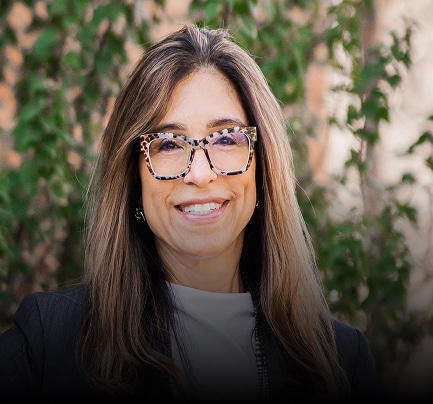
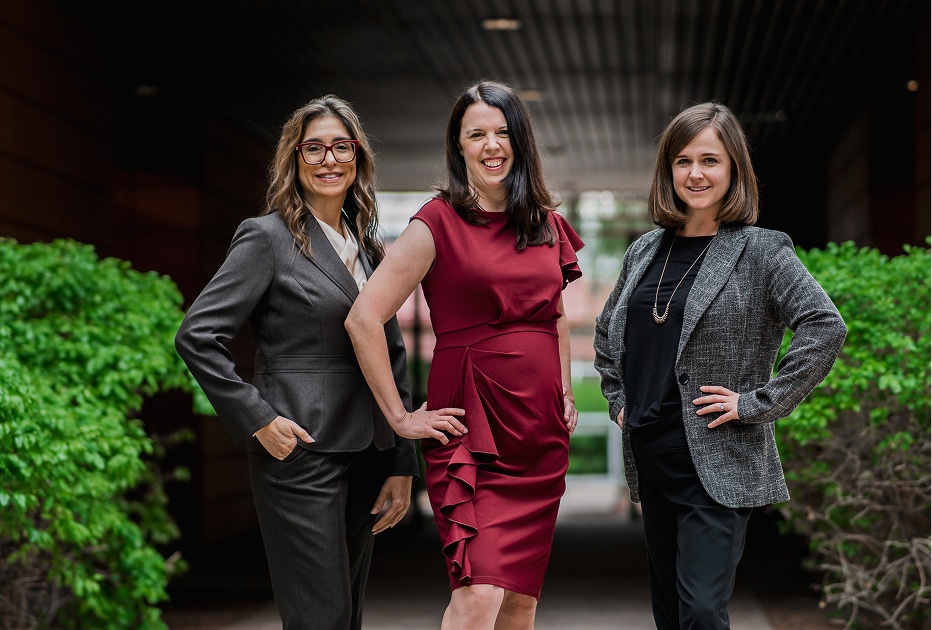
As a co-founder of Champions For Kids, I’ve realized that my professional background in policy didn't protect my family from the gaps in the system. Every child—regardless of whether their challenges are seen or unseen—deserves a Champion to help them navigate this complex landscape.

Beyond the Obvious: The Reality of Unseen Struggles
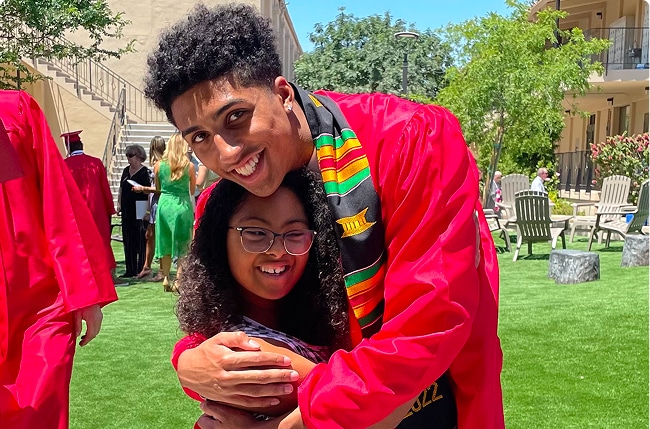
There is a common assumption that my daughter, Vanessa, is my primary "why." Because she has Down syndrome, her disability is clear; I never have to convince anyone she needs support. However, my motivation stems equally from my experience with my son, Trey.
Trey is gifted, athletic, and bright. He also has ADD and struggles with short-term processing and executive functioning. Because these are invisible disabilities, his challenges were frequently mislabeled as behavioral issues or a lack of effort.
The "High Grades" Barrier
When Trey was young, he was the stereotypical hyper child—full of energy and eager to answer every question. But behind the scenes, he was forgetting books, homework, and directions. He once tearfully told me he felt he could never get straight ‘A’s, no matter how hard he studied and how well he did on the tests.
When I turned to the school for help, they refused a 504 plan. Their reasoning? His grades were too high. At the time, even with my policy background, I didn’t know enough to fight that systemic gatekeeping. We needed a Champion.
Why We Advocate for Non-Invisable Disabilities
As the years passed, Trey’s symptoms evolved. We mistakenly assumed he had "outgrown" his ADD, but we later learned that these conditions don't disappear; they simply become more internalized.

Internalized Struggle
During his senior year, I discovered Trey hadn't checked his AP test scores because he knew he hadn't finished in time. We didn't realize his processing speed was a valid reason to ask for accommodations.

The Misconception of "Zoning Out"
During a basketball game, I watched Trey looking around during a timeout while other players focused on the whiteboard. Coaches and teachers assumed he wasn't paying attention. In reality, his brain was processing the environment differently.

The "I Wish I Knew" Factor
At our final parent-teacher conferences, I shared his diagnosis. Teacher after teacher told me they wished they had known. They had simply assumed he was unengaged.
This is the danger of invisible disabilities; when the adults around a student don't see a physical marker, they often form unfair opinions about the student's character or intelligence.
Take Action With
Champions for Kids
My son’s story is the reason we identify the most frequent issues families encounter and work to break down the systemic barriers that overlook students with unseen challenges.